
Walking into a Canberra club on a wet arvo, you’ll see the same scene replaying itself: punters parked at the baccarat table, watching the deal like it owes them money. Most of them aren’t thinking about the pair bet at all, which is exactly why it pays to understand what you’re actually buying into before you put a single chip down. If you’ve ever chased a heaps of wins no deposit bonus codes deal on your phone, you know the feeling of trying to stretch a bonus across a game that doesn’t really care about your intentions.
What the Pair Bet Actually Is
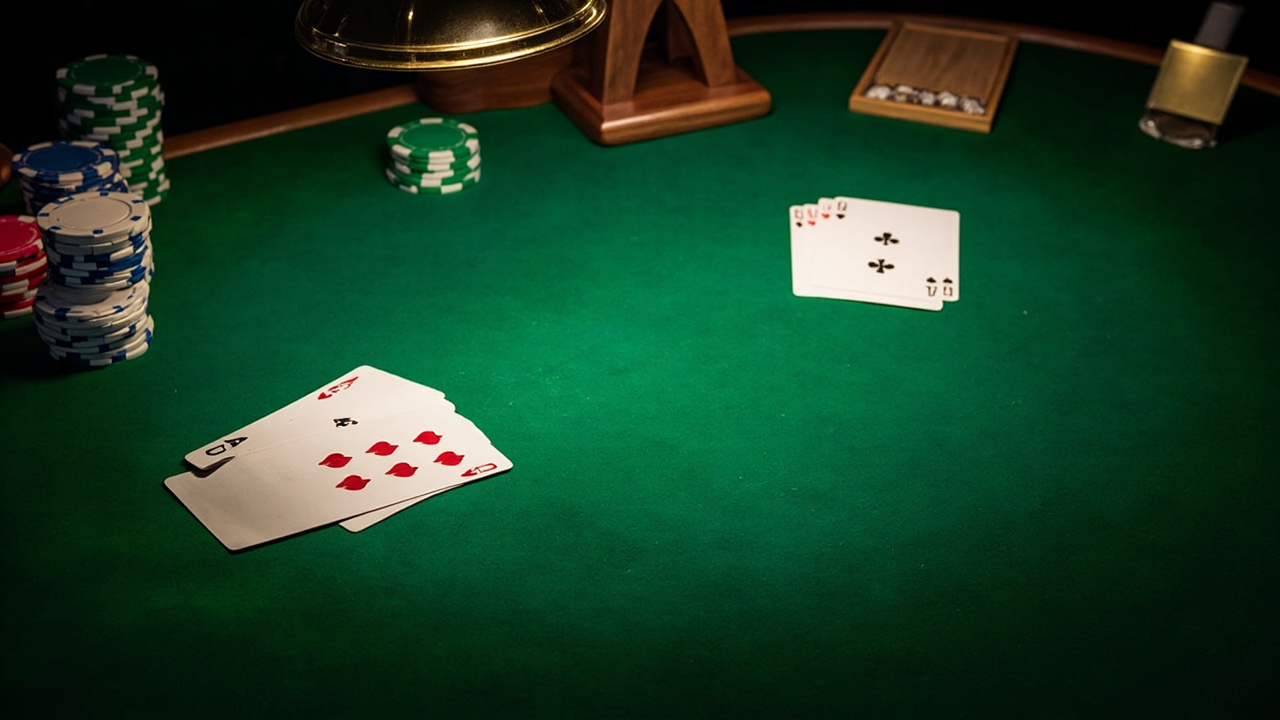
The pair bet in baccarat is a side wager that pays out when the first two cards dealt to either the Player or Banker hand form a pair – think two queens, two fours, anything matching in rank. It’s a standalone proposition, separate from the main game, and the payouts sit around 11 to 1 on most standard layouts, though some venues push it to 12 to 1 depending on the shoe composition and house rules. The catch is that the probability of hitting a pair from a fresh eight-deck shoe sits closer to 7.5 percent on any given deal, which means the edge is steep and the variance is brutal. I’ve sat through enough commercial reviews of gaming products to know that side bets like this are designed for entertainment value, not for building a long-term edge – you’d be better off treating it like a craps shooter’s pre-roll ritual: a bit of theatre that might pay off once but isn’t a system you can bank on. If you’re the type who likes to map out a strategy before you commit, you’ll want to understand that the pair bet doesn’t respond to card counting in any meaningful way across a standard multi-deck shoe, and the house edge stays firmly in place no matter how disciplined your staking plan looks.
How the Odds Stack Up in Practice
Adam Evans, Head of Analytics, Boomerang Gaming Insights, puts it plainly: “The pair bet looks seductive because the payout is chunky, but the underlying hit rate means you’re paying a premium for that occasional thrill – treat it as a capped entertainment expense, not a revenue line.” That’s the kind of framing I’d expect from someone who’s actually run the numbers across live dealer feeds and casino floor data, and it lines up with what you see when you break the math down in front of a table. A quick look at the mechanics tells the story: eight decks, 416 cards, roughly 7.47 percent chance of a pair on the first two cards dealt to either side, and a house edge that lands somewhere in the 10 to 11 percent bracket depending on the exact payout on offer. That’s a far cry from the main game’s edge, which hovers around 1.06 percent on Banker and 1.24 percent on Player – so if you’re chasing value, the pair bet is a luxury purchase, not a core strategy. I’ve seen players in Canberra clubs lose track of this distinction mid-session, throwing chips at the pair square because a couple of near-misses made it feel like a run was due, when in reality the shoe doesn’t remember what happened ten deals ago. The roulette wheel we inherited from French casinos literally means “little wheel,” and it’s a useful reminder that these games are built around fixed probabilities, not momentum or mood.
Where a Bonus Can Actually Help
If you’re testing a pair bet strategy without burning through your own bankroll, a well-structured welcome offer can give you a controlled sandbox to observe how the side bet behaves across a real shoe. The trick is reading the terms properly – wagering requirements, game contribution rates, and eligible bet types all matter, and pair bets often sit outside the main game contribution tables or carry reduced weighting that eats into your bonus value faster than you’d expect. A decent offer will spell out the playthrough clearly, cap the maximum bet while the bonus is active, and restrict certain side wagers so you can’t just burn through the requirement on high-variance squares. You’ll also want to check whether the operator applies a loss limit or a time window, because those details determine whether you’re getting a genuine testing opportunity or just a short-lived adrenaline hit. I’ve reviewed enough promotional mechanics across media and entertainment deals to know that the operators who write clean, readable terms tend to run better products overall, and that same discipline shows up in how they structure recurring promos and reload offers. The point isn’t to find a loophole – it’s to pick a bonus that lets you watch the pair bet play out over a reasonable sample without turning your session into a race against a clock.
Before committing to any promotion, always cross-reference the bonus conditions with independent breakdowns of wagering multipliers and game weighting tables to avoid unexpected playthrough penalties. You can benchmark a few reliable examples by visiting heaps of wins no deposit bonus codes and comparing how different operators structure their side-bet allowances. This quick due diligence helps you separate genuinely playable offers from those that quietly inflate the house edge through restrictive contribution rules.

| Detail | What to Expect |
|---|---|
| Positioning | Side bet on Player or Banker first two cards forming a pair |
| Payout | Typically 11 to 1, varies by venue and shoe rules |
| Hit rate | Around 7.5 percent per deal from an eight-deck shoe |
| House edge | Roughly 10 to 11 percent, far above the main game |
| Bonus treatment | Often excluded or reduced contribution in wagering terms |
| Best use | Controlled testing, capped entertainment spend, not a core edge |
Keeping Your Staking Sane
The most useful baccarat strategy for pair bet play isn’t a system at all – it’s a cap and a clear reason for being at the table in the first place. I’d set a session limit that treats the pair bet as a small, defined slice of the overall spend, then walk away when that slice is gone rather than chasing a hit that the math says is unlikely to arrive on your timeline. Some players like to size the pair wager as a fixed fraction of their main bet, say one to two percent of the session bankroll, which keeps the variance from blowing up the whole evening when the shoe goes cold. Others prefer to wait for specific shoe conditions – a run of mixed ranks, a fresh cut card, a table that’s quiet enough to actually watch the deal – but none of that changes the underlying probability, so the discipline is in knowing when the entertainment value has been exhausted. I’ve watched enough busy as sessions in Canberra venues to know that the players who last are the ones who treat the pair bet like a paid amusement, not a revenue stream, and who leave before the mood turns into a budget problem. No worries if you miss a pair by one card – the game will keep dealing, and your bankroll will thank you for keeping the stakes in perspective.